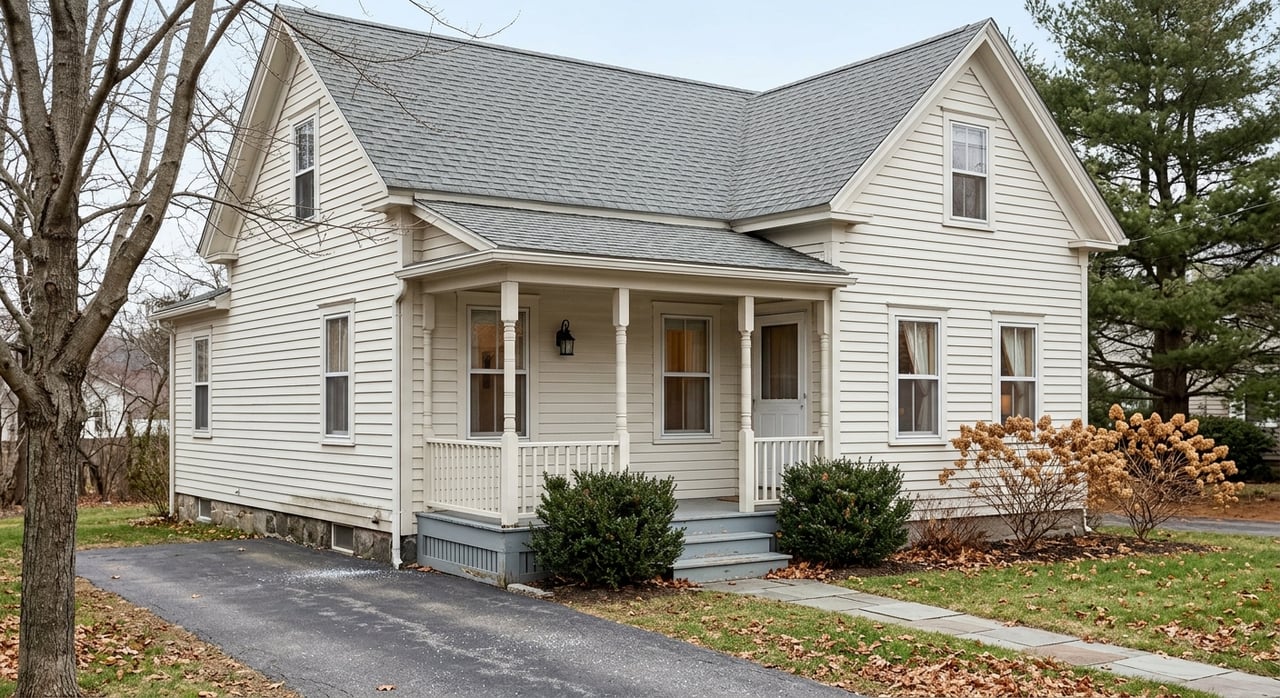
If your house feels a little bigger than your life needs now, you are not alone. Many longtime Middlebury homeowners reach a point where stairs, extra rooms, and constant upkeep start to feel like more work than comfort. The good news is that downsizing does not have to feel abrupt or overwhelming. With the right plan, you can simplify your home, protect your routines, and make a thoughtful move that still feels like you. Let’s dive in.
Why downsizing makes sense in Middlebury
Downsizing is a practical topic in Middlebury and across Addison County. Recent Census data show older populations, smaller household sizes, and high homeownership rates in both the town and county. In Middlebury, 20.7% of residents are age 65 or older, the average household size is 2.2, and 65.1% of homes are owner-occupied.
Those numbers help explain why many homeowners start thinking about right-sizing. You may love your home and still want less maintenance, fewer stairs, or a layout that better fits your daily routine. Downsizing is not about giving something up. It is about choosing a home that supports the way you live now.
Start with lifestyle, not square footage
The best downsizing move is not always the smallest house. It is the home that fits your day-to-day life with less stress and more ease. Before you think about pricing or timing, it helps to picture how you want your next chapter to feel.
Ask yourself a few simple questions:
- Do you want to stay close to downtown and daily services?
- Would fewer stairs make life easier?
- Do you want less yard work and exterior maintenance?
- Would you prefer a quieter rural setting with one-level living?
- How much storage do you truly need?
When you start with lifestyle, your choices become clearer. In Middlebury, that often means looking at a few realistic downsizing paths rather than assuming there is only one answer.
Common downsizing options in Middlebury
In-town condo or townhome
For many homeowners, an in-town condo or townhome offers the easiest shift. Middlebury’s zoning code treats condominium and town house units as standard dwelling-unit types, which makes them a natural part of the local housing mix. If you want less exterior upkeep and a more walkable village lifestyle, this can be an appealing option.
This path may also help simplify your weekly routine. With less outdoor maintenance, you may have more time for community activities, travel, or simply enjoying day-to-day life. If convenience matters most, this is often the cleanest transition.
Smaller village home
A smaller village home can be a good fit if you want to stay rooted in the community while cutting back on space. Middlebury’s zoning code supports a range of housing choices and highlights historic residential structures near downtown, along with village-scale lots in places like East Middlebury. That means downsizing does not have to mean leaving the character and rhythm of town behind.
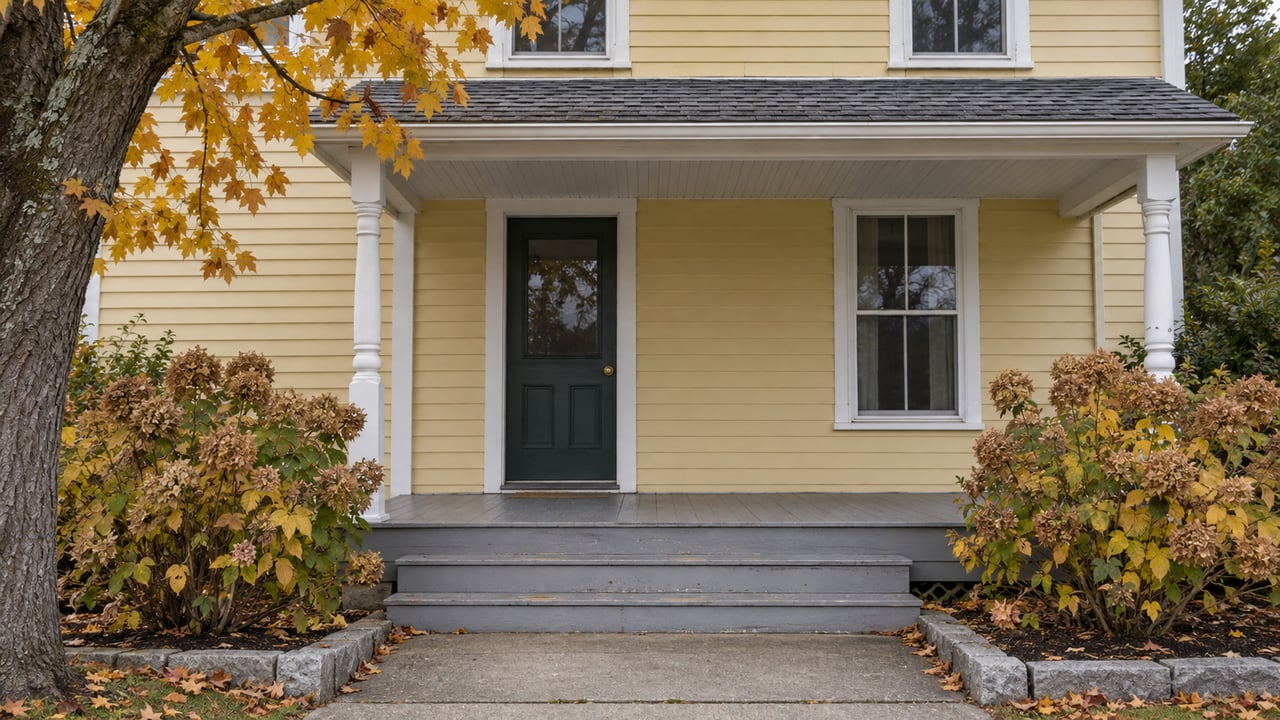
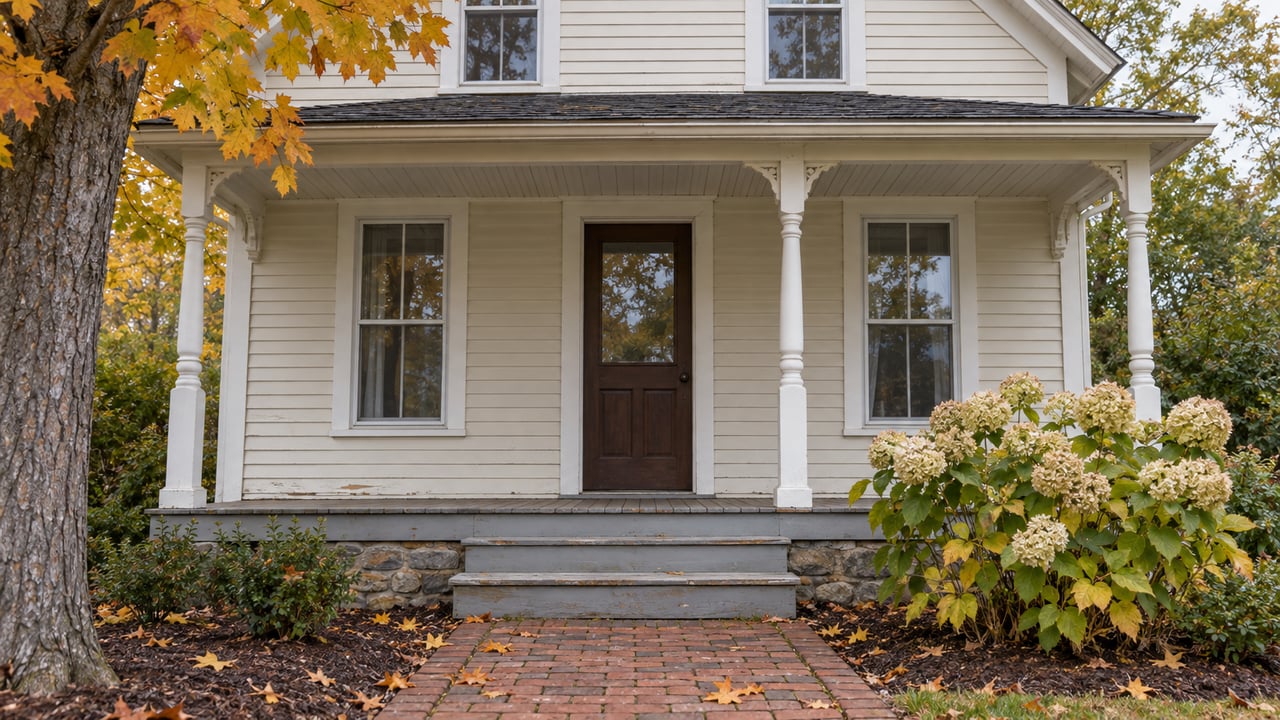
This option works well if you still want a yard, a front porch, or a detached home, just on a more manageable scale. You can reduce maintenance without giving up the feel of a traditional neighborhood setting.
Rural one-level living
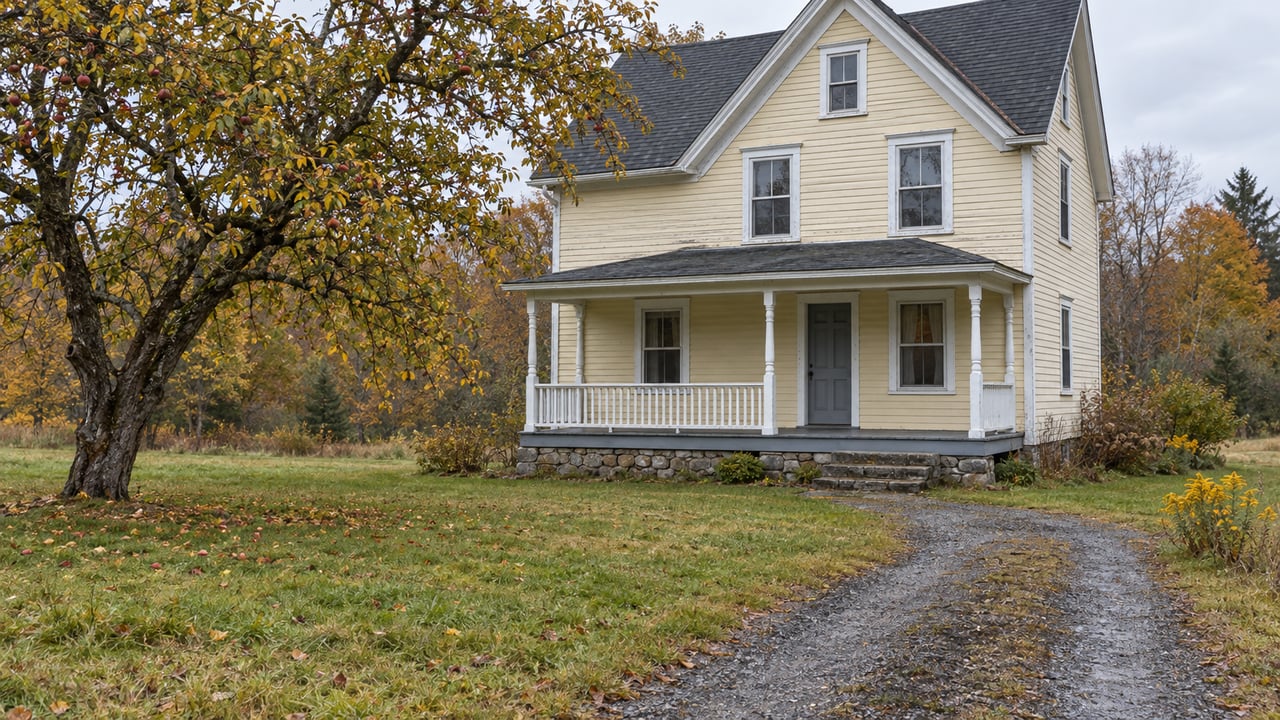
Some homeowners want fewer stairs, more privacy, and a quieter pace. In that case, a one-level home in a rural setting may be the best match. AARP home guidance emphasizes features like clear walkways, good lighting, and safer bathroom layouts for comfortable long-term living.
If one-story living is not fully possible, it may still help to look for a home that limits daily stair use. A layout with primary living spaces on the main floor can make a real difference. The goal is not just a smaller home, but a home that feels easier to live in.
How to know which home fits best
Once you know your likely path, think about the details that affect everyday comfort. Downsizing works best when you choose for function, not just appearance. A beautiful house can still be the wrong fit if it creates new challenges.
Look at features like these:
- Main-floor bedroom and full bath
- Easy parking and entry access
- Manageable exterior maintenance
- Storage that matches what you plan to keep
- A floor plan that supports your routines
- Safe pathways, good lighting, and practical bathroom layout
It also helps to sketch out your future space before you move. AARP recommends using a floor plan for the next home so you know what furniture and belongings will realistically fit. That step can reduce guesswork and make decisions much easier.
Prepare early for a smoother move
One of the kindest things you can do for yourself is start early. Downsizing is often emotional as well as practical, especially if you have lived in the same home for many years. AARP notes that the process can take weeks or longer, and that it usually goes better when you work room by room instead of trying to tackle everything at once.
A few strategies can make the process lighter:
- Start with low-emotion spaces like linen closets or storage rooms
- Work room by room instead of all at once
- Use the floor plan of your next home as a guide
- Avoid creating a large “maybe” pile
- Pare down before movers arrive, since moving costs often rise with weight
You do not have to finish everything in a weekend. A slower, steady approach is often more realistic and less draining.
Get your current home ready to sell
If you are selling your current home, preparation matters. Buyers respond best to homes that feel clean, cared for, and easy to picture themselves in. That does not mean stripping away all personality. It means presenting the house clearly.
A practical pre-listing plan includes:
- Decluttering each room
- Depersonalizing visible surfaces
- Deep cleaning
- Making needed repairs
- Staging key spaces for photos and showings
National Association of Realtors guidance supports this approach, and its 2025 staging survey found that 83% of buyers’ agents said staging made it easier for buyers to picture the property as a future home. In the same survey, 29% said staging increased the dollar value offered by 1% to 10%.
For Middlebury sellers, showing readiness also includes seasonal details. Clear exterior paths of snow, ice, or debris. Open window treatments, turn on lights, clear kitchen and bath counters, and secure valuables and prescription medications before showings.
Timing your sale in Middlebury
It is easy to assume you should wait for the “perfect” week to sell, but downsizing usually works better with a personal timeline than a seasonal guess. Realtor.com noted a strong national spring selling window in 2026, but also pointed out that local conditions and mortgage rates matter. In Middlebury, the smarter question is often not “When is the hottest week?” but “When will my next move be ready?”
That matters because the local market is favorable to sellers, but not rushed. March 2026 data show Middlebury with a median listing price of $567,000, 38 homes for sale, and a median of 167 days on market. Addison County also remained seller-favored, with 152 homes for sale, a median listing price of $550,000, a median sold price of $460,000, and a median of 83 days on market.
The takeaway is reassuring. You do not need to panic. You do need a sequence.
Build a downsizing timeline
A longer runway can make this process feel much more manageable. AARP’s one-year countdown model is useful because it gives homeowners time to declutter, plan repairs, and prepare emotionally as well as financially. That kind of pacing fits a downsizing move better than a last-minute scramble.
A simple timeline might look like this:
9 to 12 months out
- Begin decluttering
- Define your must-haves for the next home
- Talk with a local agent about market value and likely timing
4 to 8 months out
- Complete repairs and touch-ups
- Refine your moving plan
- Start watching inventory that fits your next stage
1 to 3 months out
- Prepare for listing photos and showings
- Finalize what will move with you
- Coordinate sale timing with the purchase of your next home
This kind of pacing creates breathing room. It also gives you time to make better decisions.
Do not forget Vermont move details
A downsizing move in Vermont can come with a few details that are easy to miss in the middle of a busy transition. One of the most important is your homestead status. The Vermont Department of Taxes says a homestead is your principal dwelling and surrounding land, and homeowners who meet the filing requirements must file a Homestead Declaration each year so the correct education property tax rate can be assessed.
If your new home will be your principal residence, it is smart to coordinate that filing with your closing timeline. This is a small step, but it can help avoid confusion after the move.
If you plan to hire professional movers, slow down and vet them carefully. The FTC advises getting written estimates from several companies, confirming registration, licensing, and insurance, and avoiding movers who want a large deposit upfront or ask you to sign blank paperwork. A careful check can help protect both your budget and your belongings.
Why a calm, local strategy matters
Downsizing is rarely just a real estate decision. It is a life decision that touches comfort, routines, memories, and the way you want to live in the years ahead. In Middlebury, it can also be a chance to stay connected to the community while moving into a home that feels easier to manage.
That is why local guidance matters. You want a plan that accounts for the pace of the Addison County market, the realities of seasonal showings and moving, and the different housing choices available in and around Middlebury. Most of all, you want the process to feel orderly, respectful, and well supported.
If you are starting to think about a smaller home in Middlebury, Berkshire Hathaway HomeServices Vermont Realty Group can help you create a thoughtful plan for selling, preparing, and finding the right next fit.
FAQs
What does downsizing in Middlebury usually mean?
- In Middlebury, downsizing often means moving from a larger longtime home into a condo, townhome, smaller village home, or a more manageable one-level property that better fits your current lifestyle.
Is Middlebury a good place to downsize?
- Middlebury offers a range of housing types recognized in local zoning, including detached homes, condominiums, town house units, and apartments, which can give you several ways to right-size without leaving the community.
When should you start preparing to downsize in Addison County?
- It is wise to start early, often many months before a move, because decluttering, repairs, and planning for your next home typically take longer than expected.
How should you prepare your Middlebury home before listing?
- Focus on decluttering, depersonalizing, deep cleaning, making needed repairs, and preparing the home for showings with clear counters, good lighting, and safe exterior access.
What market conditions should Middlebury downsizers know?
- Current data show a seller-favored market in Middlebury and Addison County, but homes are not moving instantly, so a careful timeline is usually better than a rushed one.
What Vermont tax detail matters after a downsizing move?
- If your new home will be your principal residence, you may need to coordinate your Vermont Homestead Declaration with your closing timeline so the correct education property tax rate can be applied.