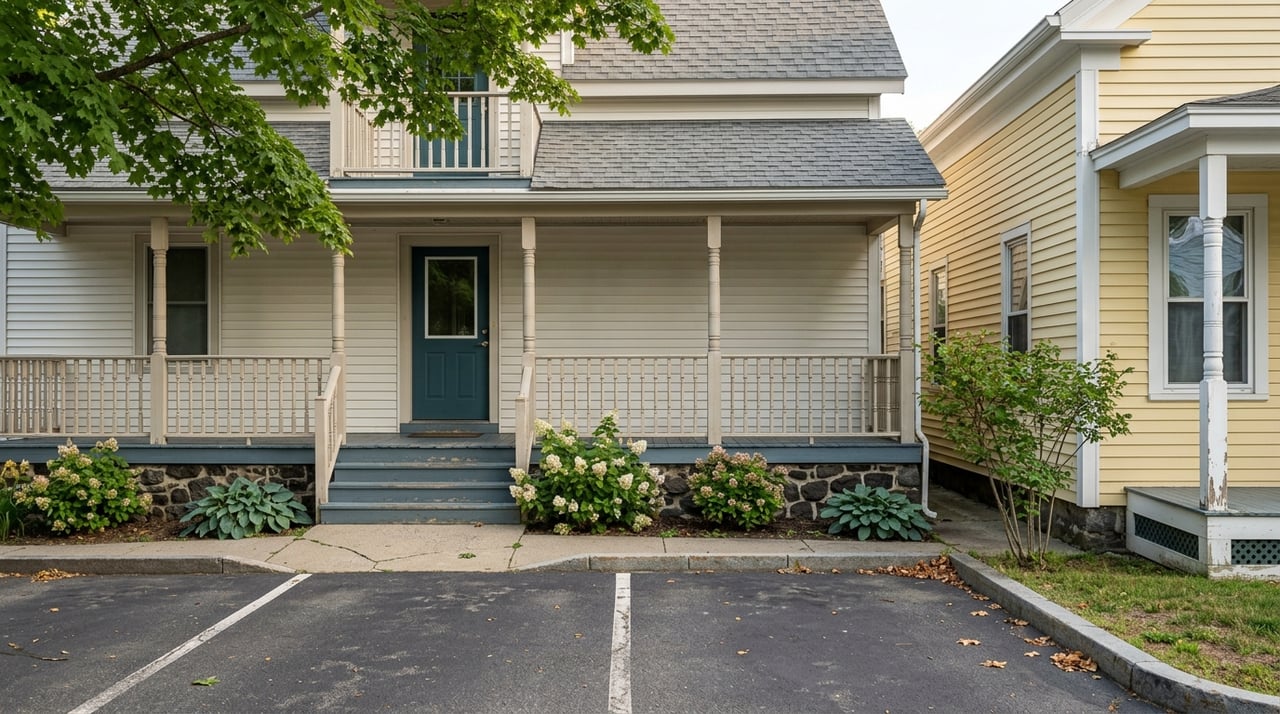
Trying to decide between a Burlington condo and a single-family home? You are not alone. In a market where price, location, maintenance, and future flexibility all matter, the right choice often comes down to how you want to live day to day. If you are weighing convenience against control, this guide will help you compare the tradeoffs and make a smarter Burlington decision. Let’s dive in.
Burlington Price Differences
For many buyers, the first big difference is price. In Chittenden County’s 2025 MLS-based market report, the median sale price for a single-family home was $580,000, while condos and townhomes posted a median sale price of $397,000.
That gap is significant, and Burlington’s current listings show a similar pattern. Redfin’s Burlington snapshot shows 49 condos for sale at a median listing price of $395,000, while the citywide median sale price for all home types was $572,500 in March 2026. In simple terms, condos are usually the lower entry point, but they are still a meaningful investment in Burlington.
What that means for your budget
A lower purchase price can make condo ownership feel more approachable at first. It may help you get into Burlington sooner, especially if you want to stay closer to the city center.
A single-family home may cost more up front, but the monthly picture is not always as simple as the sale price. You also need to compare condo fees, insurance, upkeep, and how much repair risk you are comfortable handling yourself.
Monthly Costs Work Differently
The biggest practical difference between a condo and a single-family home is how maintenance costs show up in your budget. With a condo, you usually pay a mandatory monthly fee that helps cover exterior repairs, common-area maintenance, and often services like water, sewer, trash, or amenity upkeep.
Those dues can vary a lot. The Consumer Financial Protection Bureau notes that HOA dues can range from a few hundred dollars per month to more than $1,000, depending on the property and what is included.
Condo fees versus home repairs
With a single-family home, you do not usually have a monthly HOA fee in the same way. But that does not mean maintenance goes away. Instead, you are generally responsible for repairs directly, from smaller fixes to larger expenses like a roof replacement.
That means a condo can offer more predictable monthly costs, while a single-family home often gives you more control over when and how repairs happen. The better fit depends on whether you value convenience or independence more.
Burlington Location and Lifestyle
Where you want to live in Burlington can shape this decision just as much as your budget. Condo inventory is often concentrated in areas such as Downtown Burlington, the South End, the Old North End, and the New North End.
That matters because many buyers are looking for a more central address and easier access to daily errands, restaurants, the waterfront, or work. If your ideal Burlington lifestyle includes being close to activity, a condo may line up well with that goal.
Walkability and transit advantages
Burlington is considered moderately walkable, with a Walk Score of 59, and it has been recognized as a silver-level walking community. The city’s 8-mile paved Greenway connects residential areas with downtown, which adds another layer of convenience for buyers who like to walk or bike.
Green Mountain Transit also serves Burlington and nearby communities including Essex, South Burlington, Shelburne, Williston, Winooski, Milton, and part of Colchester. Through the Unlimited Access Program, eligible riders at participating colleges, universities, hospitals, and local employers, including the University of Vermont and UVM Medical Center, can access fare-free transit.
If your routine allows you to commute by bus, bike, or foot, a condo in a central Burlington location may reduce your need for a car. That is often less true with a single-family home, depending on the neighborhood and your day-to-day schedule.
Parking Is Not Something to Assume
Parking can be a deciding factor in Burlington, especially if you are shopping for a condo. Street parking rules, permit requirements, and building-specific parking rights can affect your daily experience more than you might expect.
The City of Burlington says resident parking permits are street-specific, and cars parked without permits in resident-only zones can receive a $75 ticket. The city also notes that downtown parking includes two free hours at the downtown garage Monday through Saturday, plus free parking at meters and city garages on Sundays.
Why condo buyers should verify parking early
A neighborhood may seem parking-friendly at first glance, but your actual rights can depend on the unit, the building, and the street. Before you move forward, it is smart to confirm whether the condo includes an assigned space, guest parking, storage, or permit eligibility.
With a single-family home, parking is often simpler because you may have a driveway or garage. If easy vehicle access is high on your list, that can be a meaningful advantage.
Ownership Control and Rules
A condo and a single-family home also differ in how much direct control you have over the property. When you buy a condo in Vermont, you are not just buying the unit. You are also buying into a shared ownership structure governed by a declaration, bylaws, and association decisions.
Under Vermont’s condominium statute, owners, tenants, and other users are subject to those governing documents, and maintenance of common areas is handled as provided in the bylaws. That makes document review a major part of condo due diligence.
What to review before buying a condo
Before buying a Burlington condo, it is wise to review:
- The association budget
- Reserve fund strength
- Special assessment history
- Rules on leasing
- Rules on unit modifications
- Any building policies that could affect your long-term plans
Fannie Mae also notes that condo lenders look at a project’s physical condition, financial stability, outstanding debt, and lawsuits. Deferred maintenance and HOA financial instability are considered key condo risks, which is why two similar-looking units can offer very different ownership experiences.
A single-family home usually has a simpler ownership structure. You have more direct control over repairs, updates, and long-term planning, though that also means more direct responsibility.
Rental Flexibility in Burlington
If you think you may want to rent the property in the future, this is an important area to study carefully. Burlington has clear rental regulations, and condos may add another layer of restrictions through association documents.
The city’s Housing Division maintains a rental registry with more than 3,000 long-term and short-term rental properties, and rental registration fees are due annually by April 1. Burlington also allows short-term rentals where residential uses are allowed, but in most cases a host can register only one short-term rental, and it usually must be on-site or in the host’s primary residence, with limited exceptions.
Why future landlords need to look twice
The local rental market remains tight. The Vermont Housing Finance Agency’s 2025 Housing Needs Assessment estimated Chittenden County’s rental vacancy rate at just 1.2% in 2024, which is below the 5% level generally used to describe a healthy rental market.
That can suggest strong tenant demand, but demand alone does not guarantee flexibility for your property. If you are buying a condo, leasing rules, rental caps, and minimum lease terms in the association documents may matter just as much as city rules.
A single-family home may offer fewer ownership-structure restrictions, but city registration and rental rules still apply. If future rental use is part of your plan, it is worth comparing those limits before you buy.
Which Option Fits Your Life Best?
There is no one-size-fits-all answer in Burlington. The better choice depends on how you weigh price, convenience, upkeep, and flexibility.
A condo often makes sense if you want a lower entry price, a more central location, and less day-to-day responsibility for exterior maintenance. A single-family home often fits better if you want direct control over repairs, fewer shared rules, and a simpler ownership structure.
A practical Burlington rule of thumb
If you are deciding between the two, this local rule of thumb can help:
- Choose a condo if you prioritize walkability, central location, and more predictable exterior upkeep.
- Choose a single-family home if you prioritize control, independent decision-making, and handling maintenance on your own timeline.
In either case, your comparison should go beyond the list price. Look closely at monthly carrying costs, parking rights, association reserves, and rental rules if future flexibility matters to you.
Buying in Burlington is rarely just about square footage. It is about matching the property to the way you actually want to live, both now and a few years from now.
If you want thoughtful guidance as you compare Burlington condos and single-family homes, Berkshire Hathaway HomeServices Vermont Realty Group offers a warm, hands-on approach to help you weigh the details and move forward with confidence.
FAQs
Is a condo usually cheaper than a single-family home in Burlington?
- Yes. In the Chittenden County 2025 market report, the median sale price for single-family homes was $580,000, compared with $397,000 for condos and townhomes.
Do Burlington condos have HOA or association fees?
- Yes. Condo owners typically pay mandatory monthly dues that often cover exterior maintenance, common areas, and sometimes utilities or amenity upkeep.
Are condos in more walkable Burlington locations?
- Often, yes. Condo inventory is commonly found in areas like Downtown Burlington, the South End, the Old North End, and the New North End, which can appeal to buyers who want a more central location.
Should Burlington condo buyers verify parking before closing?
- Yes. Parking rights can vary by building and street, and Burlington resident parking permits are street-specific, so it is important to confirm what comes with the unit.
Can you rent out a Burlington condo later?
- Possibly, but you need to review both Burlington rental rules and the condo association documents, since leasing restrictions, rental caps, or short-term rental limits may apply.
What is the biggest tradeoff between a condo and a single-family home in Burlington?
- The main tradeoff is convenience versus control. Condos can offer a lower entry price and less exterior maintenance, while single-family homes usually offer more independence and fewer shared rules.