You only get one chance to make buyers fall in love with your lake view. When you sell a Panton home on Lake Champlain, the shoreline, dock, and windows are just as important as the kitchen. You want a quick, confident offer from buyers who can picture life on the water. In this guide, you’ll learn a simple, Vermont‑smart staging plan, what to do outdoors without risking permits, how to handle photos and showings, and the paperwork that builds trust. Let’s dive in.
Why staging matters on Lake Champlain
Staging helps buyers imagine the lifestyle and often shortens time on market. In the National Association of Realtors’ latest report, many agents saw staged homes receive higher offers, with a large share reporting 1 to 10 percent value gains in staged listings. You do not need to overhaul your home to see results. Small, focused steps can lift perceived value in a waterfront property. For more context, review the NAR briefing on staging’s impact.
Stage the view first
Set room priorities
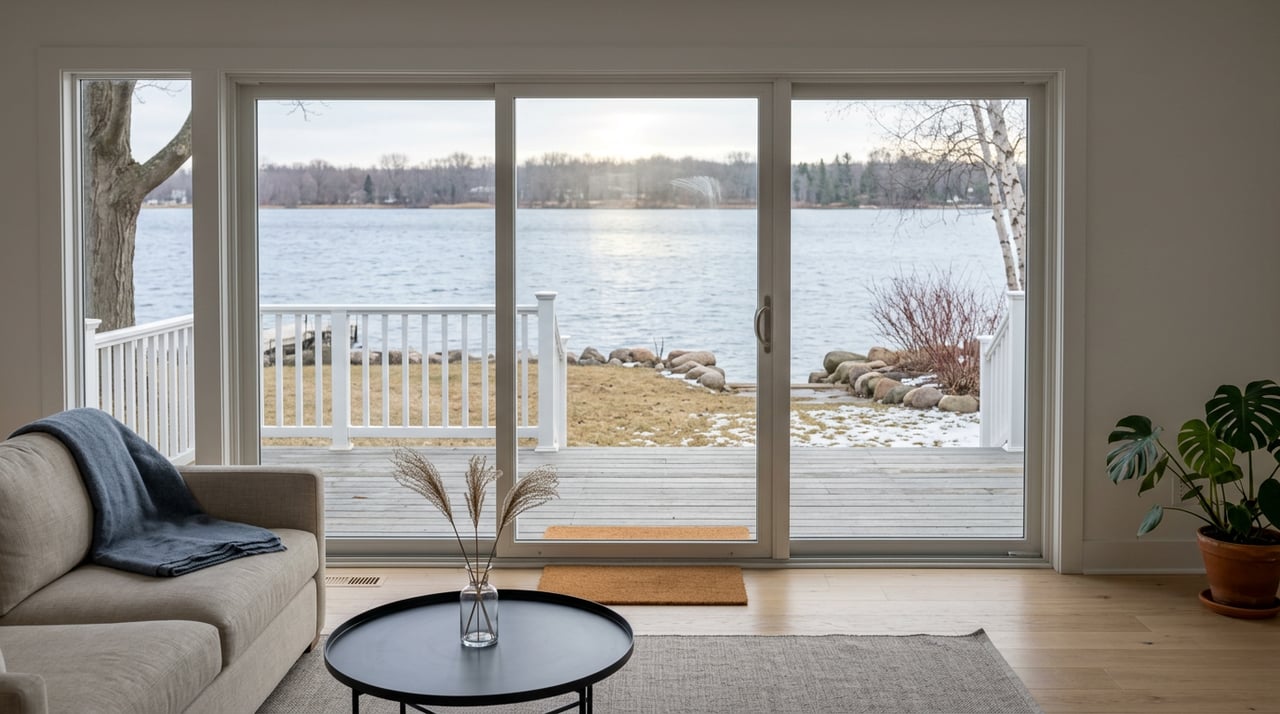
Focus on the living room, the primary bedroom, and the kitchen. These rooms shape first impressions and photographs. Position key seating and the dining table to face the water. If views are in more than one direction, choose the clearest, widest sightline.
Light, windows, and sightlines
Clean every pane that faces the lake. Remove heavy drapes and bulky blinds that dim the room. Use a light, neutral palette and simple textiles so the eye goes to the horizon. Add a mirror only if it reflects the lake without creating visual clutter.
Declutter with subtle lake cues
Clear counters and shelves. Store personal collections and family photos. A few regional nods are enough, such as a pair of Adirondack chairs on the deck or a paddle leaned in a mudroom corner. Keep it calm and simple so buyers feel the lake lifestyle without distraction.
Outdoor and shoreline prep
Safe, inviting path to the water
Buyers will walk the route from house to shoreline. Clear brush and trip hazards. Tighten handrails, replace broken dock boards, and remove loose foam or debris. Keep tools and bulky gear out of sight. A small seating vignette by the water suggests daily use without feeling staged.
Know the 250‑foot shoreland rules
Much of what you do near the water may be regulated. Vermont’s Shoreland Protection Act generally covers land within 250 feet of the lake’s mean water level on larger lakes like Champlain. Creating cleared areas or new impervious surfaces in that zone often requires a permit. If you plan dock work or shoreline changes, start by reviewing DEC shoreland guidance and the Lake Wise program, then speak with a Lakes & Ponds analyst.
When dock fixes need federal review
Some work in or affecting navigable waters can require U.S. Army Corps authorization, such as docks, ramps, or stabilization projects. Before repairs or marketing improvements, confirm whether your project needs federal review. Start with the Corps’ overview, Do I need a permit, and document what has been approved.
Respect the spring spawning pause
Plan work around state timing. The Vermont DEC typically pauses certain lake encroachment construction and non-chemical aquatic plant control during spring fish spawning, often cited as roughly March 15 to July 1. If you need dock or shoreline repairs, schedule before or after that window. See the state’s reminder about the spring construction pause.
Showcase stewardship
Buyers notice native plantings, no‑mow buffers, and rain gardens because they signal care for water quality. If you have Lake Wise recognition or installed best management practices, note it in your listing and show the certificate in your buyer packet. The same DEC resource outlines lake-friendly steps.
Documentation that builds buyer confidence
Docks, permits, and maintenance records
Collect copies of all permits, plans, and contractor invoices for docks, lifts, or any shoreline stabilization. Federal rules may apply in addition to Vermont DEC and local permits. Having a neat folder of approvals and maintenance logs removes uncertainty and can support value. Review the Army Corps permit basics.
Flood zones and water levels
Many buyers will ask about flood designations and seasonal water-level changes. Check your status on FEMA’s Vermont community resources and keep a simple summary in your packet. You can also include recent readings and background from the USGS Lake Champlain gage spotlight. For flood mapping context, start with FEMA’s Vermont community status book.
Water quality and invasive species
Lake Champlain has seasonal dynamics, including occasional cyanobacteria blooms and aquatic invasive species. Be transparent about your experience and any steps you take. Share current context from the Lake Champlain Basin Program’s State of the Lake. If you offer a dock or lift, note your clean, drain, and dry routine, and refer to the state’s reminder about boat inspection and decontamination practices.
Photo and showing strategy
Stage first, then photograph
Your MLS debut is everything. Finish staging, window cleaning, lawn care, and dock tidying before photos. NAR highlights how visuals and virtual tours drive interest in today’s market; prioritize quality images that lead with the view. See NAR’s staging overview for why this matters.
Use aerials to tell the story
A single overhead hero image can show shoreline length, dock orientation, and the home’s setting on Lake Champlain. Schedule drone work for a calm day with reflective water and clear skies. For practical tips on timing and composition, review this guide to aerial real estate photography.
Showings that feel safe and easy
Keep a clear, stable route to the dock. Add non-slip mats where needed and confirm railings are secure. In winter, shovel and sand access points and porches. For twilight showings, switch on warm, layered lighting inside and outside. A few lanterns on the deck or dock help buyers picture evenings by the water.
A Panton lakefront staging checklist
- Call the Town of Panton to confirm local zoning or shoreline-related permits and how they interact with state approvals. Save contacts and written guidance. Visit the Town of Panton site.
- Review Vermont DEC shoreland rules for the 250‑foot zone and the Lake Wise best practices. If you plan dock or shoreline work, reach out early to a DEC analyst. Start with this DEC shoreland resource.
- If work may affect navigable waters, check U.S. Army Corps permitting and keep copies of past approvals. Read the Corps’ permit overview.
- Time any in-water or encroachment work outside the typical March 15 to July 1 spawning pause. Review the state’s seasonal restrictions.
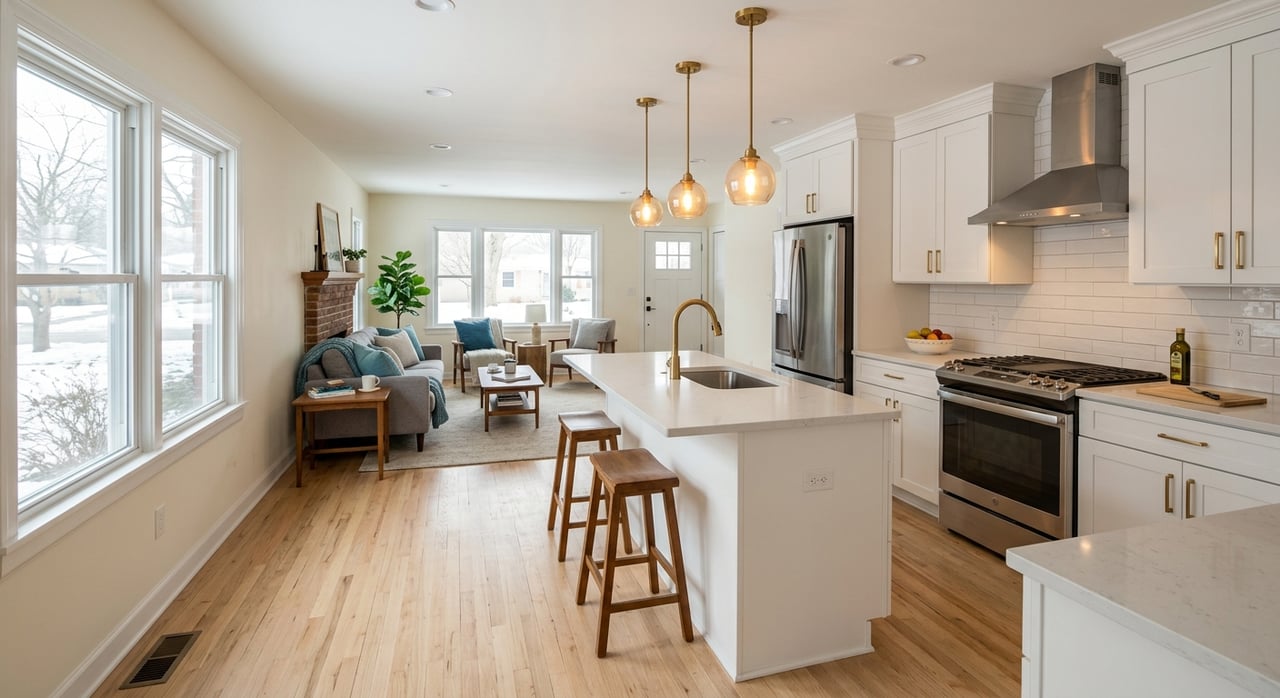
- Declutter and stage your top rooms first: living room, primary bedroom, and kitchen. Arrange seating to face the view and swap heavy window treatments for light options.
- Clean windows, pressure-wash walkways if appropriate, repair dock boards, and remove debris or loose foam. Set simple outdoor vignettes with seating near the water.
- Book professional photography, including an aerial. For timing and planning, see this aerial photography primer. Aim for calm days and golden hour exteriors.
- Assemble a buyer packet: copies of permits, dock and shoreline maintenance records, septic info, flood-zone status, and a brief water-quality summary with links to the State of the Lake and FEMA’s Vermont page. Add a note on your clean, drain, dry routine with the state’s boater reminder.
- Include recent lake-level context from the USGS gage spotlight to answer questions about seasonal highs and lows.
Start early, sell with confidence
A great lakefront showing in Panton starts with a clear view, a safe walk to the water, and a simple, honest story about stewardship and maintenance. When you pair thoughtful staging with the right documents, buyers move from browsing to offering.
If you want hands-on help with staging, photo planning, and a polished listing launch, reach out. With a hospitality approach and local expertise on Lake Champlain, we can guide every step and coordinate trusted vendors. Connect with Berkshire Hathaway HomeServices Vermont Realty Group to get started, or use our tool to get your instant home valuation.
FAQs
What shoreland rules apply when I prep my Panton shoreline?
- Vermont’s Shoreland Protection Act generally covers the first 250 feet from the lake’s mean water level on large lakes. Clearing or creating new impervious surfaces in that zone often requires a permit. Review DEC guidance and contact the Town of Panton before you act.
Do I need permits to repair my dock before listing?
- Possibly. Dock and shoreline work can require Vermont DEC lake encroachment review and, in some cases, U.S. Army Corps authorization. Confirm needs in advance using the Corps’ permit overview and keep approvals in your buyer packet.
When is the best season to do shoreline work before selling?
- Avoid the typical spring fish-spawning window of about March 15 to July 1 when certain projects pause. Plan repairs before that period or after July 1. Read the state’s seasonal pause notice.
How can I answer buyer questions about floods and water levels?
- Include your FEMA flood-zone status and recent lake-level context. Start with FEMA’s Vermont page and the USGS Lake Champlain gage spotlight in your packet.
What should I disclose about water quality or invasive species?
- Share plain-language notes and any records on cyanobacteria advisories or invasive species fouling, plus your clean, drain, dry habits. Offer links to the State of the Lake and the state’s boat cleaning reminder.