Wondering how to sell a lakefront home in Addison without leaving money on the table? You are not just selling a house near Lake Champlain. You are selling a view, a shoreline experience, and a lifestyle buyers can picture the moment they see your listing. If you want to price it well, prep it wisely, and present it with credibility, this guide will walk you through the details that matter most. Let’s dive in.
Why lakefront homes sell differently
A lakefront property in Addison should not be treated like a typical inland home. Countywide numbers can offer helpful context, but they do not tell the full story for a waterfront sale.
As of March 2026, Addison County had a median listing price of about $550,000, around 152 active listings, and a median of 83 days on market. Median sold price was also up 16.53% year over year. Those figures are useful background, but waterfront pricing depends much more on property-specific lake features than on county averages alone.
What buyers value most on Lake Champlain
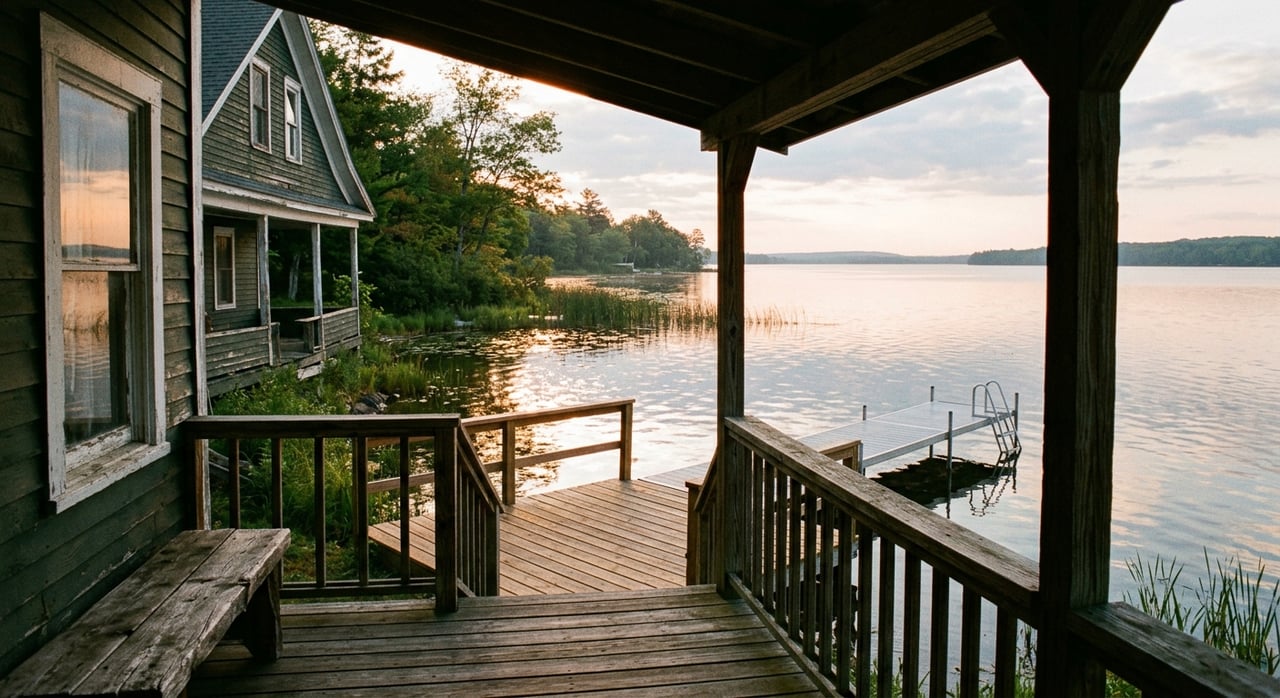
When buyers look at a lakefront home in Addison, they are usually focused on how the property connects to the water. Research on waterfront valuation shows that view quality, usable access, and dock or pier usability can have a meaningful effect on value.
In practical terms, buyers tend to respond most strongly to features like:
- Open water views and clear view corridors
- Easy, usable shoreline access
- A dock or pier that appears functional and properly handled
- Outdoor living areas that help them enjoy the setting
- A shoreline that looks well cared for and natural
That last point matters in Vermont. A healthy shoreline buffer is not just about appearance. It also supports water quality, habitat, and shoreline stability under the state’s shoreland rules.
Price the waterfront, not just the house
One of the biggest mistakes a lakefront seller can make is relying too heavily on non-waterfront comparisons. Two homes in Addison may have similar square footage, age, and finishes, but their value can differ sharply if one has a broad open-water view and usable dock access while the other does not.
That is why waterfront pricing should focus on the features buyers actually pay for. Proximity to the lake is not the same as usable lakefront living. The market usually rewards the total experience of the property, including the view, shoreline condition, access, and outdoor function.
Prep your shoreline carefully
Before listing, it is smart to take a close look at the shoreline and any recent work done near the water. Vermont’s Shoreland Protection Act regulates development within 250 feet of the mean water level of lakes and ponds greater than 10 acres.
That means well-intended cleanup can create issues if it goes too far. New cleared area or new impervious surface in the protected shoreland area may require a permit or registration, and Vermont recommends submitting shoreland permit applications at least 45 days before a project starts.
Avoid over-clearing before listing
For many sellers, the best pre-listing instinct is to tidy everything up. On a lakefront property, though, a heavily cleared shoreline is not always the best move.
Vermont notes that native vegetation helps stabilize shoreline areas, while lawn offers limited stability and habitat value. So the strongest presentation is often a shoreline that looks maintained and attractive while still keeping a healthy natural buffer.
Gather shoreland paperwork early
If you have made changes to the shoreline, hardscape, or clearing, collect the paperwork before the home hits the market. Buyers and lenders may want to review permits, registrations, or records of completed work.
Having those documents ready can help support buyer confidence. It also keeps your sale moving more smoothly once questions come up, which they often do on waterfront properties.
Review your dock and pier status
Docks and piers deserve special attention in any Addison lakefront sale. Vermont law addresses encroachments on waters connected to Lake Champlain and specifically references docks and piers, with limited exemptions for some smaller noncommercial docks.
For a seller, the takeaway is simple. Buyers want to know whether the dock is permitted, what condition it is in, and whether they can reasonably expect to use it as intended.
What to pull together before listing
Try to gather:
- Permit records, if applicable
- Repair or maintenance history
- Installation details
- Notes on seasonal use or limitations
Even if your dock is straightforward, clear documentation helps you present the property honestly and reduces uncertainty for buyers.
Check flood-zone details early
Flood risk is another item to confirm before the home goes live. FEMA identifies its Flood Map Service Center as the official source for flood maps, and Flood Insurance Rate Maps are the official maps used to show special flood hazard areas and related flood-risk zones.
If your home is in or near a flood-risk zone, it is better to know that early. Gathering flood-insurance history, if available, can also help you answer buyer questions with confidence.
Do not overlook private well water
If your Addison lakefront home uses a private water source, this should be part of your pre-listing plan. The Vermont Department of Health says homeowners should test drinking water when buying or selling a property with a private source, and it specifically suggests testing before putting a home up for sale.
The department also says sellers are responsible for giving potential buyers the Well Water Testing buyer guide when applicable. Taking care of this ahead of time can make your property easier to evaluate and can prevent delays later.
Choose timing with the property in mind
Seasonality matters in almost every housing market, and it matters even more for lakefront homes. National housing activity tends to peak from April through June, and homes generally sell faster in that window than they do in winter.
For an Addison lakefront property, spring and summer often offer an added advantage. Those are the seasons when buyers can best see the shoreline, dock, landscaping, and outdoor spaces that support waterfront value.
Why spring and summer often help
Waterfront buyers are often making an emotional decision alongside a financial one. If they can stand on the deck, see the view corridor, and picture how they would use the shoreline, your listing has a better chance to connect.
Winter listings can still succeed, but they usually require stronger marketing support. When outdoor features are snow-covered or harder to experience in person, photos, video, and property detail become even more important.
Make the online presentation work harder
Most buyers will experience your home online before they ever visit in person. That is why listing presentation is not just a nice extra. It is central to how your lakefront home competes.
Research from the National Association of Realtors shows that 81% of buyers rated listing photos as the most useful feature during their search. Buyers’ agents also rank photos, staging, video tours, and virtual tours among the most important listing elements.
What to feature first in marketing
For a lakefront home, the visual story should lead with the lifestyle. Buyers want to see what makes the property feel special before they focus on bedroom count or cabinet finishes.
A strong listing presentation often highlights:
- The exterior setting
- The water view
- Shoreline or dock access
- Deck, patio, or other outdoor living areas
- Bright, uncluttered interior spaces
This approach aligns with how buyers shop online. They are looking for the full experience, not just a room-by-room inventory.
Stage outdoor spaces too
Outdoor staging matters on waterfront property. If you have a deck, sitting area, or patio, make it look purposeful and inviting.
Inside the home, keep the camera in mind. Open blinds for natural light, remove clutter, and simplify distracting decor so buyers can focus on the space and the setting.
Keep the listing honest
With lakefront homes, credibility matters just as much as beauty. Buyers who love what they see online expect that same property in person.
That means photos and video should showcase the real condition of the shoreline, dock, and views without overpromising. Honest presentation helps attract serious buyers and reduces disappointment during showings.
A smart pre-listing checklist
If you are getting ready to sell a lakefront home in Addison, start here:
- Confirm whether any shoreline clearing, hardscape, or other work may fall under Vermont shoreland permitting
- Gather records for docks, piers, shoreline work, and repairs
- Check the property’s flood-zone status
- Test private well water if the home uses a private source
- Prepare the shoreline to look tidy, functional, and naturally maintained
- Plan professional photos and video when the property shows its waterfront features best
Why local guidance matters
Lakefront homes ask more of a seller than a typical listing. Pricing has to reflect waterfront realities, preparation has to account for Vermont rules, and marketing has to capture a setting buyers may only fully understand after seeing it in person.
That is where full-service support can make a real difference. With thoughtful staging, polished photography, strong video presentation, and hands-on transaction care, you can bring your property to market in a way that feels both elevated and grounded in the facts buyers care about.
If you are thinking about selling your Addison lakefront home, Berkshire Hathaway HomeServices Vermont Realty Group can help you price, prepare, and present it with the kind of local care and polished marketing that waterfront properties deserve.
FAQs
What affects the value of a lakefront home in Addison, Vermont?
- The biggest factors are usually view quality, usable shoreline access, dock or pier usability, outdoor living space, and overall shoreline condition.
What should you do before listing a lakefront home in Addison?
- Review any shoreline changes, gather dock and repair records, check flood-zone status, and test private well water if the property uses a private source.
Does Vermont regulate shoreline work near Lake Champlain?
- Yes. Vermont’s Shoreland Protection Act regulates development within 250 feet of the mean water level of covered lakes and ponds, including certain clearing and impervious surface changes.
Is spring the best time to sell a lakefront home in Addison?
- Spring and early summer often give you the best chance to show off views, shoreline access, landscaping, and outdoor living areas, though winter sales can still work with strong marketing.
Why are photos and video so important for selling a lakefront property?
- Most buyers start online, and strong visuals help them understand the water view, shoreline access, dock setup, and outdoor lifestyle before they visit in person.