Ready to buy your first home in Vermont, but feeling priced out of many markets? Rutland often stands out because it offers a lower entry point than much of the state while still giving you the feel of a real city market with shops, dining, recreation, and year-round services. If you are wondering whether Rutland is the right fit, this guide will help you understand the numbers, the housing stock, and the tradeoffs that matter most. Let’s dive in.
Rutland offers a lower price point
For many first-time buyers, the biggest reason Rutland gets attention is simple: it is more attainable than many Vermont communities. Recent market snapshots placed the median sale price around $300,000 in March 2026, while Zillow's typical home value was reported at $276,480. Those figures are not identical, but together they point to a market that can feel more reachable than higher-cost areas across the state.
Census data supports that picture. Rutland’s median owner-occupied home value is $185,500, compared with $316,600 statewide. Median gross rent is also lower at $995, compared with $1,234 statewide, which can make the jump from renting to owning feel more realistic for buyers trying to plan their next step.
Monthly ownership costs also matter when you are building a first-time buyer budget. In Rutland, median monthly owner costs with a mortgage are $1,638, versus $1,907 statewide. That said, Rutland’s FY2026 homestead total tax rate is 3.7594 per $100 of assessed value, so property taxes should be part of your budget from day one.
Rutland feels more approachable for renters
If you are currently renting, Rutland may feel more familiar than some of Vermont’s more expensive towns. The city’s owner-occupied rate is 54.9%, compared with 73.2% statewide, and the rental share is relatively high. That mix helps explain why attached homes, smaller multifamily properties, and modest older houses are such a big part of the local conversation.
Income levels also help frame the market. Rutland’s median household income is $57,675, compared with $81,203 statewide. For first-time buyers, that can signal a market where price sensitivity is real and where practical entry-level options may be easier to find.
Housing types create more entry-level options
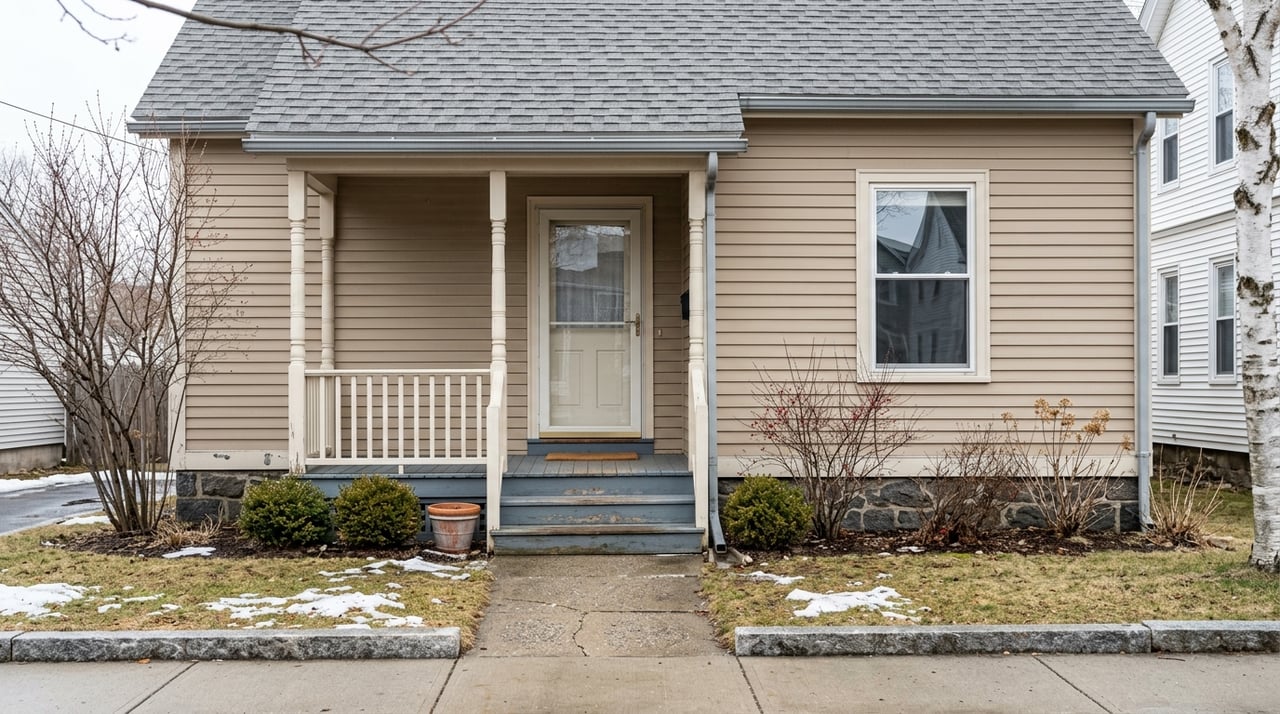
Rutland’s housing stock is older, more varied, and often more flexible than what you might find in a newer suburban market. The Rutland Regional Planning Commission reports 7,749 total housing units, with an average year built of 1941. The city’s master plan says about half the housing stock was built before 1940, and about a third is in 2-to-4-unit structures.
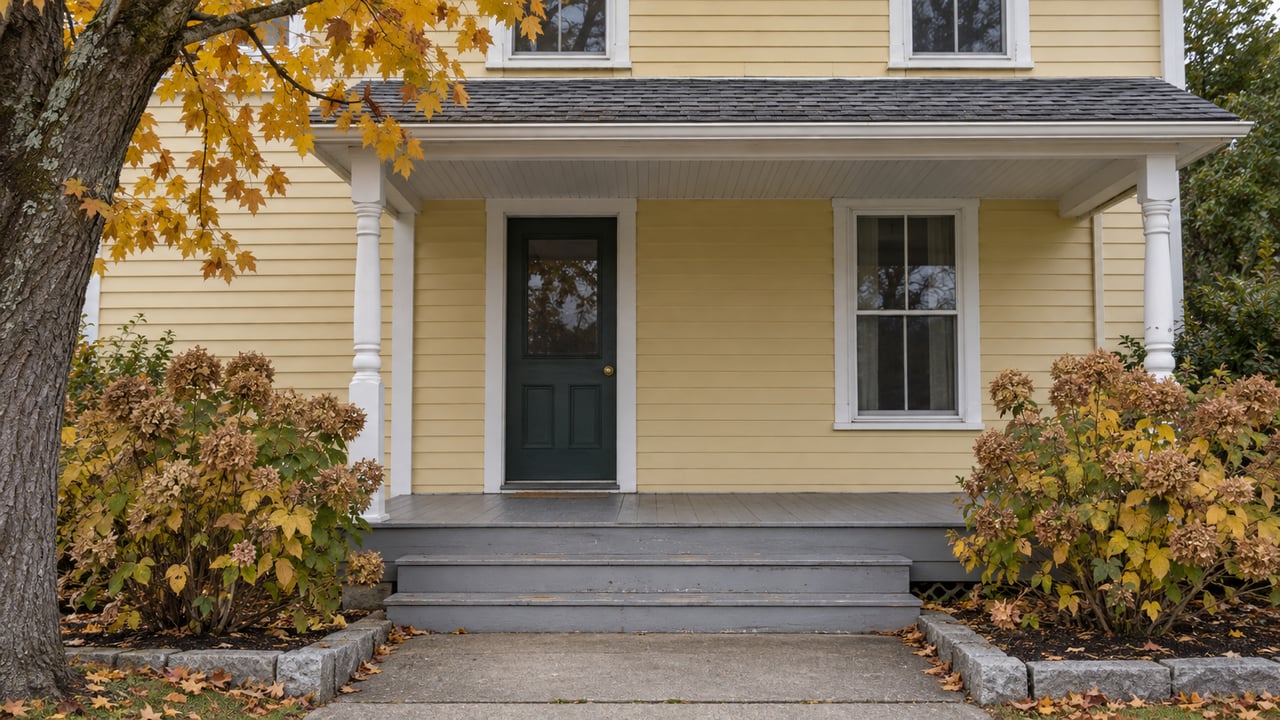
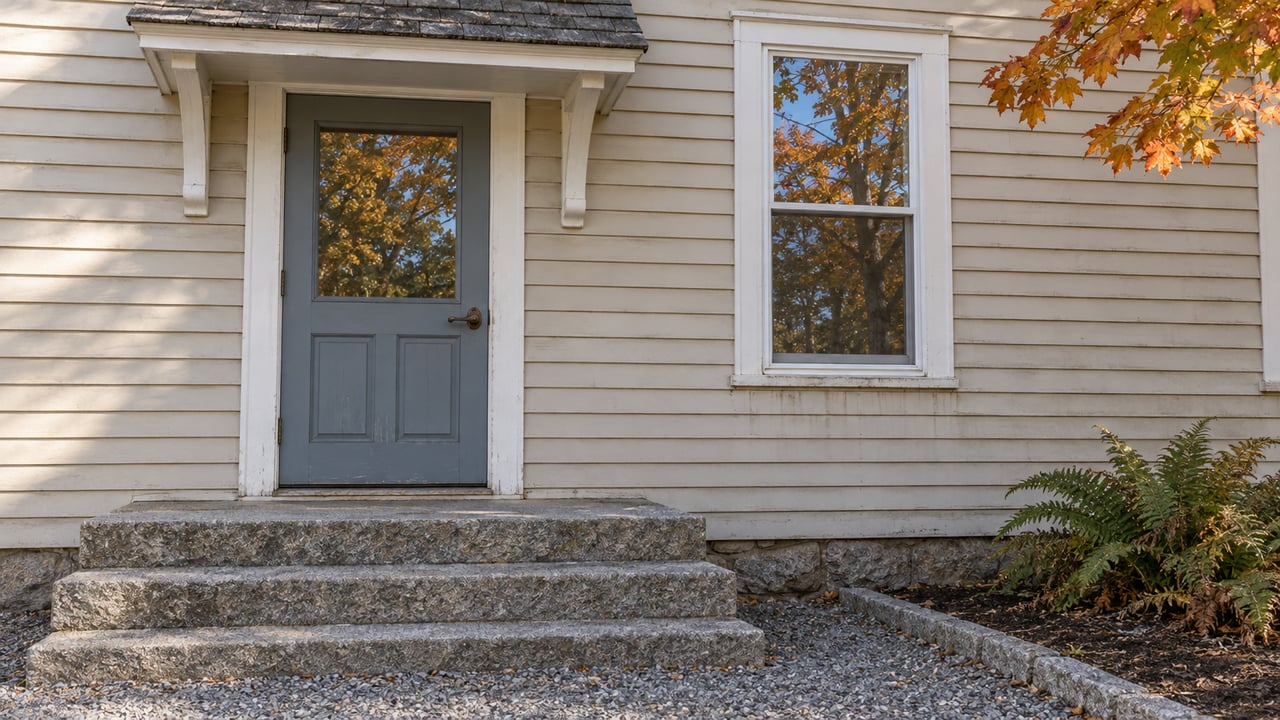
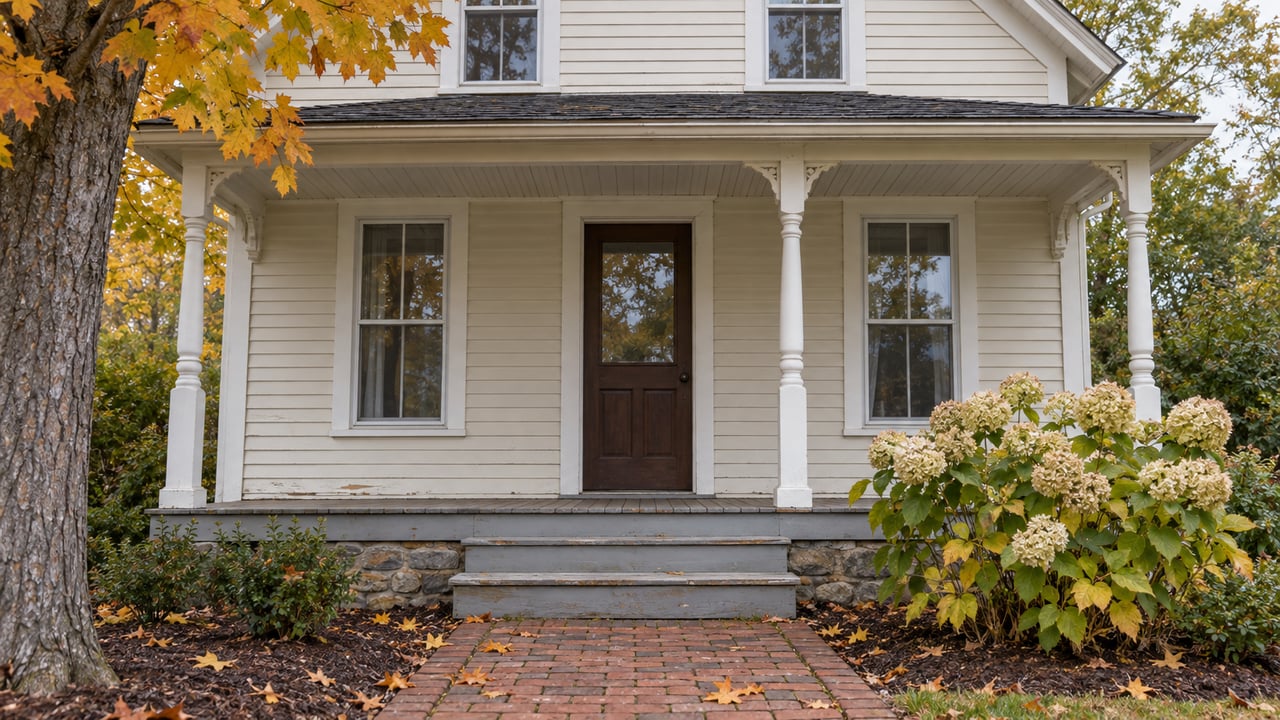
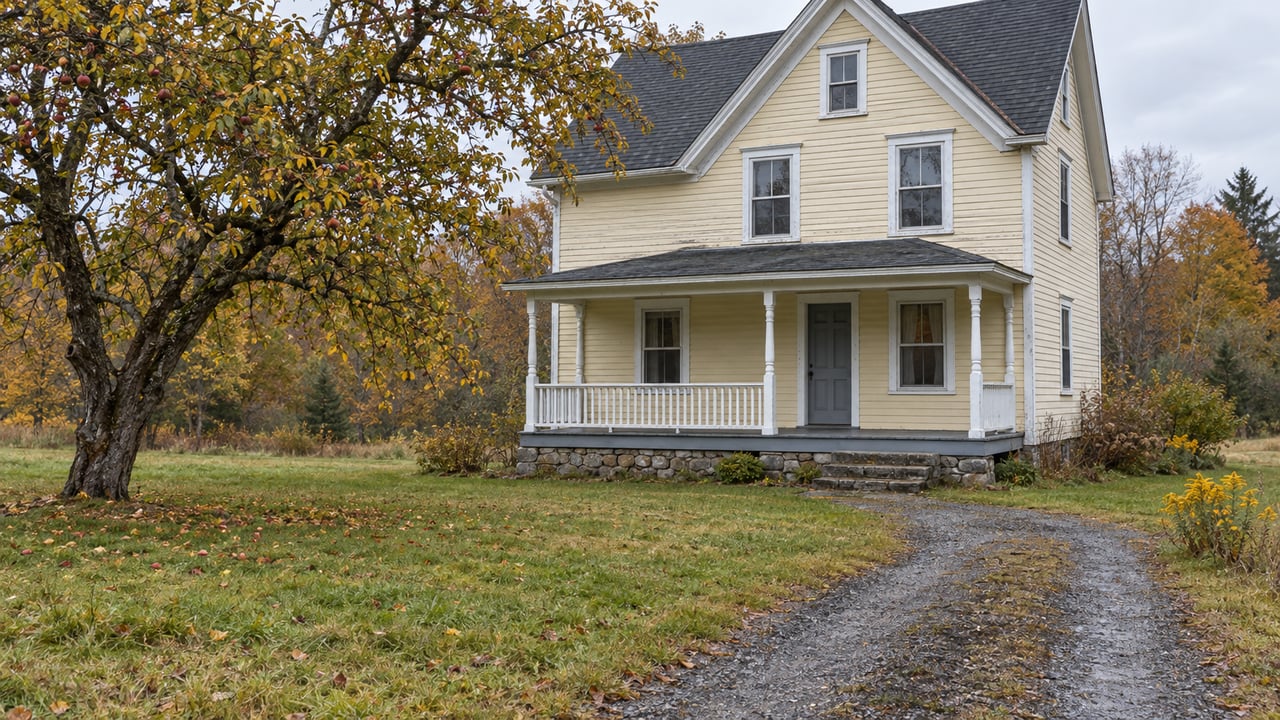
That matters because first-time buyers are often looking for options, not perfection. In Rutland, you may find older single-family homes, duplexes, and small multifamily properties that open the door to ownership at a lower price point. If you are comfortable with some cosmetic updates or phased improvements over time, that variety can work in your favor.
Older homes can offer value
Older homes often come with character, established streetscapes, and pricing that may be more accessible than newer construction. In Rutland, that older housing stock is a major reason buyers can still find opportunities within reach. It is one of the market’s biggest strengths.
Older homes also need closer review
The tradeoff is that condition matters just as much as price. Vermont’s 2025-2029 housing assessment notes that homes built before 1978 may have lead paint, homes built before 1980 may have asbestos, and older homes are often less energy efficient than newer ones. For a first-time buyer, that means your inspection, repair planning, and monthly cost estimates all deserve careful attention.
Block-by-block differences matter in Rutland
Rutland is not a one-note market. The city’s master plan describes traditional neighborhoods in each quadrant of the city, and it notes that housing-stock growth patterns have varied by area. In practical terms, that means one block can feel very different from the next in terms of housing type, upkeep, lot layout, and future project potential.
This is especially important if you are buying based on online photos alone. A home that looks affordable at first glance may come with zoning considerations, exterior design limitations, or flood-area concerns depending on its exact location. In Rutland, local context matters.
Downtown calls for extra diligence
Downtown can be especially appealing if you love older architecture or hope to take on a renovation. The city says the Downtown Business District is governed by design guidelines meant to preserve architectural character. The city also provides a zoning map and FEMA flood map, which means buyers should review how a property’s location may affect plans for future improvements.
Some areas need more condition awareness
Rutland’s master plan notes that the highest concentrations of vacant structures are west of Route 7, especially just northwest of downtown. It also notes that some vacant structures are near flood-prone areas. That does not mean you should rule out those areas, but it does mean you should take a close, property-specific look at condition, surrounding uses, and any likely rehab scope.
Rutland blends city convenience and outdoor access
Price is only part of the story. Rutland also appeals to first-time buyers who want everyday convenience without giving up access to Vermont recreation. The city sits at the crossroads of US Routes 4 and 7, and the city master plan ties that location to both the Green Mountains and the broader regional resort economy.
You can also find plenty to do close to home. The city highlights downtown shopping, dining, theater, and musical entertainment, along with access to the Long Trail, lakes, camping, and public hunting areas. That combination can make Rutland feel practical for daily life while still connecting you to the outdoor lifestyle many buyers want in Vermont.
In-town recreation is a real perk
Pine Hill Park is one of the city’s standout amenities. According to the city recreation department, it is a 300-acre park with a 16-mile single-track trail system in the northwest corner of Rutland City. For buyers who want quick access to trails without a long drive, that is a meaningful quality-of-life advantage.
Ski access adds lifestyle appeal
Rutland can also work well if mountain access is part of your plan. Killington’s booking site says a Rutland hotel is 15 miles from Killington Resort and 9 miles from Pico Mountain. For buyers who want a practical home base with access to ski areas, that location is a strong part of Rutland’s appeal.
What first-time buyers should watch closely
Rutland can be a smart place to start, but it rewards buyers who do their homework. The headline price may look attractive, yet the real decision often comes down to condition, carrying costs, and location-specific details. Going in with a clear plan can help you buy with more confidence.
Here are a few areas to review carefully:
- Property taxes: Rutland’s homestead tax rate should be part of your monthly budget planning.
- Age of the home: Much of the city’s stock is older, so repair history and deferred maintenance matter.
- Inspection findings: Older homes may involve lead paint, asbestos, or energy-efficiency upgrades.
- Zoning and design rules: Downtown properties may have added considerations for exterior work.
- Flood exposure: Check the property’s location carefully, especially in areas flagged for flood concerns.
- Block-level variation: Look beyond the list price and evaluate the immediate surroundings.
Why Rutland works for many first-time buyers
If your goal is to buy your first Vermont home without stretching into a market that feels out of reach, Rutland deserves a serious look. It offers lower pricing than many parts of the state, a wider mix of housing types, and access to city amenities and outdoor recreation. That combination is not easy to find.
At the same time, Rutland is not a market where you want to rely on price alone. Older homes, renovation risk, and block-by-block differences all play a major role in whether a property is the right fit. With thoughtful guidance and strong due diligence, Rutland can offer a practical and rewarding entry into Vermont homeownership.
If you are thinking about buying in Rutland or the southern Vermont ski corridor, working with a local guide can make the process feel a lot clearer. Berkshire Hathaway HomeServices Vermont Realty Group offers hands-on support to help you compare neighborhoods, evaluate property tradeoffs, and move forward with confidence.
FAQs
What makes Rutland more affordable for first-time Vermont homebuyers?
- Rutland’s reported home values, rents, and monthly owner costs all come in below statewide figures, which can create a more attainable path to ownership.
What kinds of starter homes can first-time buyers find in Rutland?
- Rutland has a mix of older single-family homes, duplexes, and small multifamily properties, with about a third of the housing stock in 2-to-4-unit structures.
How old is the housing stock in Rutland, Vermont?
- Rutland’s housing stock is older than many markets, with an average year built of 1941 and about half of homes built before 1940.
What should first-time buyers check when buying an older Rutland home?
- You should pay close attention to inspection results, repair needs, possible lead paint or asbestos concerns, energy efficiency, and the likely scope of updates.
Are all Rutland neighborhoods the same for first-time buyers?
- No. Rutland varies block by block, and zoning, design guidelines, flood exposure, vacancy patterns, and housing condition can differ significantly by location.
Is Rutland a good location for buyers who want outdoor access?
- Rutland offers access to Pine Hill Park, downtown amenities, and a short drive to Killington Resort and Pico Mountain, which adds to its lifestyle appeal.