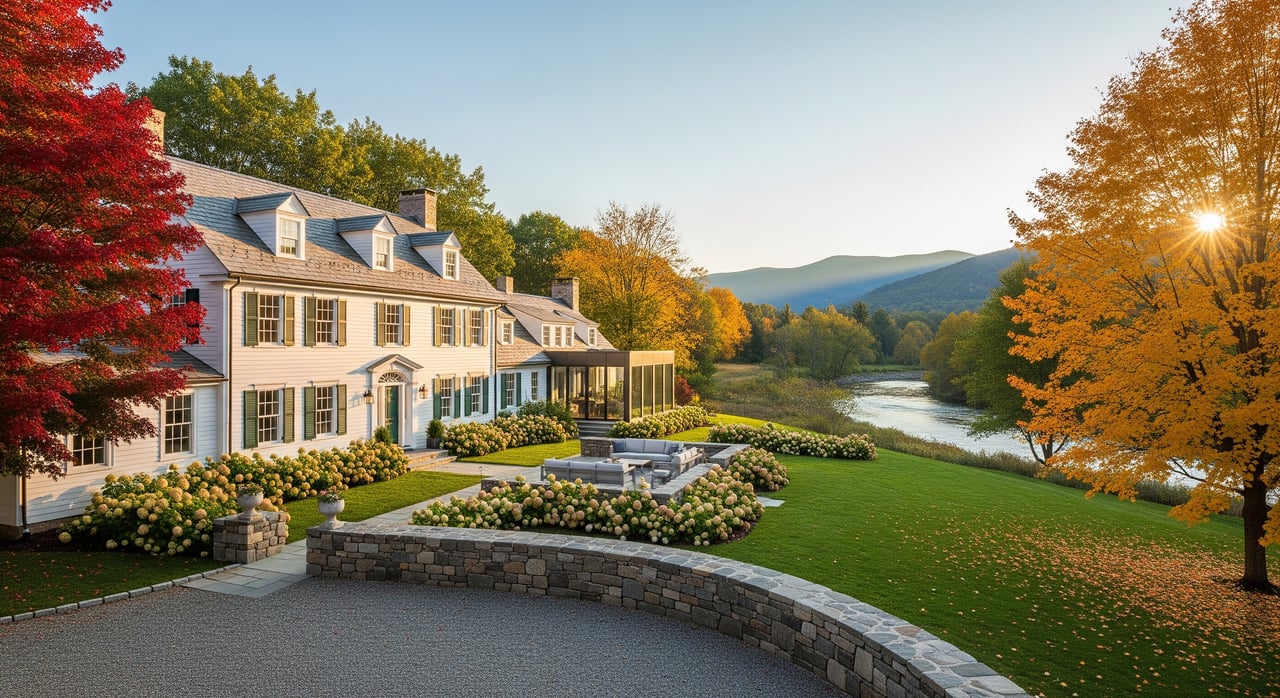
Is Middlebury on your shortlist, but you are still weighing budget, commute, schools, and lifestyle? You are not alone. Many buyers compare Middlebury with nearby Champlain Valley towns to find the right fit. In this guide, you will get a clear, practical look at housing options, costs, daily life, and tradeoffs so you can decide with confidence. Let’s dive in.
Quick feel for Middlebury
Middlebury is the county seat of Addison County and a classic New England college town anchored by Middlebury College. You will find a lively village center with independent shops, restaurants, municipal services, and cultural events. It draws families and buyers who want small-town energy with year-round amenities.
What you might love
- A walkable village core with cafes, shops, and town services.
- Cultural programming tied to the college, including public lectures, arts, and performances.
- A balanced mix of in-town neighborhoods and rural properties with space and privacy.
- Easy access to seasonal outdoor recreation across the Champlain Valley and the Green Mountains.
Tradeoffs to consider
- Demand and prices are often higher than in many surrounding rural towns.
- In-town convenience can mean smaller lots and different tax components compared with the wider town.
- Winter driving is part of life, and longer commutes to regional job centers require planning.
Housing options and costs
Middlebury offers a range of property types, from historic homes close to downtown to larger rural parcels. Inventory shifts with the season, and spring through early summer is often the busiest time for new listings.
What you will find
- Historic downtown homes on smaller lots, many from the late 18th to early 20th century, often within walking distance of shops and schools.
- Village and suburban neighborhoods with modest single-family homes, duplexes, and condos.
- Rural properties and farms in the broader town area, including larger lots, agricultural buildings, and woodlands.
- Newer subdivisions and occasional infill construction on the village edge.
- Multi-family units and rentals, with availability influenced by college housing demand.
Price and inventory snapshot
Middlebury typically prices above many smaller Addison County towns due to its services and demand. At the same time, it is often less expensive than close-in Burlington neighborhoods for similar home sizes. For current figures such as median sale price, inventory, and days on market, check recent MLS data or consumer market snapshots. Seasonal shifts matter, so look at trends over several months when planning your timeline.
Ownership costs to budget
- Property taxes vary by Vermont town and can differ between village and wider town districts. Confirm the current rates with the town clerk or assessor.
- Many homes use fuel oil, propane, or wood heat. Plan for meaningful winter heating costs and compare fuel options when you review listings.
- Older and historic homes may require upgrades such as insulation, foundation work, lead-safe practices, or septic updates in rural areas.
- Utility differences matter. Municipal water and sewer serve the village area, while many outlying parcels rely on wells and septic systems.
Zoning, utilities, and permitting
If you hope to add an accessory apartment, expand a home office, or build an addition, take time to understand local zoning. The village benefits from municipal water and sewer, which can affect development potential and typical lot sizes. Many properties outside the village line will use private wells and septic, which have different maintenance and permitting requirements. Always check zoning maps, permitted uses, and service areas with the Town of Middlebury planning office before you make an offer.
Schools and family logistics
Families often look closely at school structure and logistics. Middlebury serves students through local elementary schools and a regional middle and high school structure. Many families also appreciate enrichment opportunities that can come from the college setting, such as music, arts, and public events.
For performance data and enrollment details, consult the Vermont Agency of Education and the local supervisory union or district websites. Because boundaries can change, always confirm school assignments directly with the district before you buy.
Early childhood and pre-K
Preschool and daycare availability can be limited relative to demand. If early childhood care is part of your plan, start contacting local providers early in your move process and ask about waitlists.
Transportation and daily routines
Most towns in the area offer school bus service, but pickup spots and ride times vary by neighborhood. Living within walking distance to an elementary school can be a plus for some village buyers. Build a test run of school drop-off or bus timing into your home search visits so you can see how a typical morning will feel.
Commute and transportation
Middlebury has a local job base in education, healthcare, government, small manufacturing, retail, and professional services. Many residents also commute to Burlington, other parts of Chittenden County, or toward Rutland.
Where people work
Middlebury College and local healthcare facilities are large employers, and the town supports a range of small businesses and services. If your job is elsewhere in the region, plan for a longer drive and consider how often you will need to be on site.
Getting around
Driving is the dominant commute mode. Winter weather and changing road conditions can add time, so many buyers favor vehicles suited for snow and hilly terrain. Limited regional bus services operate in the area, and some riders use park-and-ride lots or college shuttles depending on schedules. If you are counting on transit, check current timetables before making a decision.
Remote and hybrid work
Flexible schedules have made Middlebury more attractive to buyers who work partially or fully from home. If you travel to Burlington or other hubs only a few days per week, the tradeoff for small-town lifestyle can feel easier to manage.
Lifestyle, amenities, and nearby comparisons
Middlebury blends small-town energy with cultural life. It functions as a regional hub for groceries, banking, and professional services, offering more options than many neighboring towns and fewer than a larger city.
Downtown and culture
In-town, you will find independent shops, restaurants, and a calendar of community events. The college setting adds public lectures, performances, and museum or gallery experiences. Many buyers appreciate having everyday errands, coffee, and a night out within a short walk or drive.
Outdoor recreation
Outdoor access is a major draw. You are within easy reach of hiking, mountain biking, and cross-country or downhill skiing areas, plus lakes and rivers across the Champlain Valley. Seasonal events, theater, fairs, and farmers’ markets round out the year.
Comparing nearby towns
- Vergennes: A smaller historic city with a compact feel and water access nearby. It can appeal if you want a tighter-knit setting with a short hop to Middlebury’s services.
- Bristol: Closer to the mountains with scenic surroundings. It suits buyers leaning toward rural character and outdoor recreation, with a smaller service base.
- Ferrisburgh, Charlotte, Shelburne: Closer to Lake Champlain and often chosen by Burlington commuters. Some pockets carry higher prices and a lake-focused lifestyle.
- Burlington: The regional city with urban amenities and more transit. Many buyers trade a Burlington commute for Middlebury’s small-town quality of life.
- Outlying Addison County towns like Weybridge, New Haven, and Cornwall: Typically offer more acreage and rural character, often at a lower price per acre. Services, school logistics, and commute distances vary by town.
Is Middlebury right for you?
Choose Middlebury if you want a college-town atmosphere, a walkable village option, and a strong mix of cultural programming and outdoor access. Expect to balance that with higher demand than many rural towns and a longer commute to urban job centers. If your schedule is flexible or you prioritize local amenities and community events, Middlebury can be a strong match.
If you prefer larger lots, lower relative taxes, or more seclusion, consider nearby rural towns while keeping Middlebury in play for shopping, healthcare, and activities. Many buyers compare several Addison County communities before settling on the right combination of budget, commute, and daily rhythm.
A smart buyer’s checklist
- Confirm current market data, including median sale price, typical inventory, and time on market, using recent MLS or consumer data.
- Visit neighborhoods in multiple seasons, especially winter, to understand commute routes and road conditions.
- Speak with the town clerk or assessor about property tax rates, and ask about any village versus town components.
- Verify school assignments and transportation with the district; visit schools and learn about extracurriculars and capacity.
- Review utility maps to understand municipal water and sewer coverage versus well and septic areas.
- Compare heating fuel options and typical seasonal costs for homes of similar size and age.
- Consult a local real estate professional who knows Middlebury and surrounding towns to review recent comparable sales and neighborhood nuances.
- Check FEMA flood maps if you are considering low-lying or riverside parcels.
When you are ready to explore neighborhoods or want recent sales data, connect with a local guide who combines market knowledge with hands-on support. For warm, concierge-style help with buying or selling in Middlebury and Addison County, reach out to Berkshire Hathaway HomeServices Vermont Realty Group.
FAQs
Is Middlebury expensive compared with other Addison County towns?
- Middlebury is generally pricier than more rural towns due to services and demand, but exact prices vary by property type and location; verify current data with recent MLS and consumer snapshots.
What is the school system like in Middlebury?
- The town serves students through local elementary schools and a regional middle and high school; review Vermont Agency of Education data and the district site for performance and enrollment.
Can you commute daily from Middlebury to Burlington?
- Many residents do, but it is a longer drive and winter conditions can affect timing; review your route and check regional transit options if you plan not to drive every day.
Do village homes in Middlebury have municipal water and sewer?
- The village area generally has municipal water and sewer, while many rural properties use wells and septic; confirm service maps and connections with the town.
How hard is it to find childcare and preschools?
- Availability can be limited relative to demand; contact local providers early to understand waitlists and openings.
What healthcare services are available in Middlebury?
- Middlebury has local medical facilities and primary care options; for some specialty services, residents travel to larger regional centers. Confirm current providers through official directories.